Career
Training Programs at STVT: Skilled Trades, Healthcare & Business
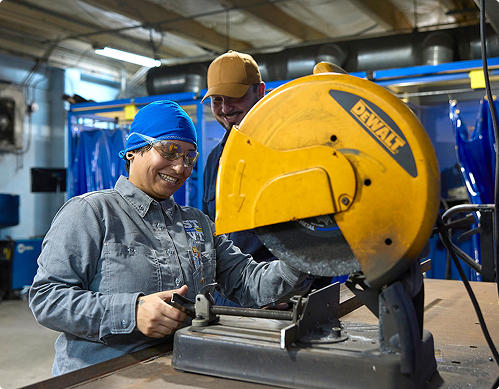
Hands-on Career Training Programs

At South Texas Vocational Technical Institute, we offer hands-on career training programs in skilled trades, healthcare, and business. With six campuses across Texas, including locations in South Texas and the DFW area, STVT makes it easier to access the training you want, closer to where you live.
Already know what you want to study? Scroll down to find your program. Still deciding? No problem, we’ve laid everything out below so you can compare.
Browse STVT Programs by Category
Not sure which direction to go? Here’s a quick look at the types of programs STVT offers, organized by career field.
Programs
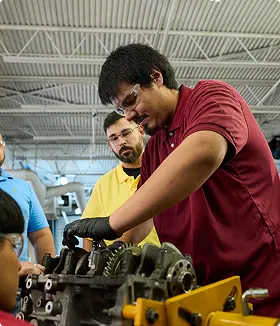
Automotive Service Technician, CDL Training (Class A & Class B), Combination Welding, Diesel Heavy Truck Technician, Electrical, HVAC & Basic Refrigeration
Available At
Campuses vary by program see our campus pages for details
Programs
Business Studies
Available At
Campuses vary by program see our campus pages for details

Healthcare
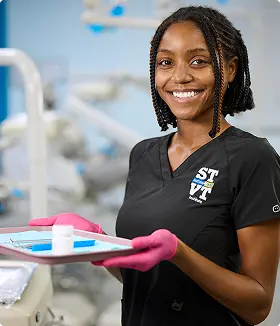
Dental Assisting, Medical Billing & Coding, Medical Clinical Assistant
Available At
Campuses vary by program see our campus pages for details

Skilled Trades Programs
Skilled trades programs are a good fit if you like working with your hands and want to train for physically active roles in fields like HVAC, welding, electrical, automotive, diesel, or commercial truck driving.

Healthcare Programs
Healthcare programs are designed for people who want to help others and work in clinical or office-based medical settings. Responsibilities range from assisting with patient care to managing medical records and billing.

Business Programs
Business programs cover foundational skills like accounting, project management, and communications that apply across a range of office-based roles
Not sure which program fits you? That’s okay. STVT’s admissions team can help you think through your options. Request information or call (866) 827-4222.
Our Programs
Use the filters below to browse programs by category or campus location.
No programs match your results.
Automotive Service Technician
Passion for cars? Turn it into vital career skills. Train in our hands-on labs, learning how to properly run tests and diagnostics and repair systems. We even help you prepare for certifications that may help make you a more desirable employment candidate. Diploma: 71.5 Credit Hours, 13 Months.
CDL Training: Class A Tractor Trailer
Have you noticed companies looking for CDL drivers? Train for a commercial driver’s license and quickly get on the road in just 1–2 months.* *Graduates must obtain a CDL Class A license in order to be eligible for in-field employment Certificate: 160 Clock Hours, 1-2 Months.
CDL Training: Class B
This program meets FMCSA Entry Level Driver Training (ELDT) Theory and Behind-the-Wheel requirements and prepares you to gain a Commercial Driver’s License (CDL) Class B. Topics covered include Basic Operation, Safe Operating Procedures, Advanced Operating Procedures, Vehicle Systems and Reporting Malfunctions, and Non-Driving Activities. Certificate: 120 Clock Hours, 1-2 Months.
Combination Welding
Automotive, manufacturing — welders can find work in a range of industries. Learn how to perform SMAW, GMAW, GTAW, and FCAW welds. Practice on pipe, plate, and grooves and improve your skills with help from industry-experienced instructors. Diploma: 56.5 Credit Hours, 10 Months.
Dental Assisting
Learn techniques to keep patients’ teeth healthy, and how to help run a practice. Our students participate in externships for real-world experience. Start a rewarding journey here. Diploma: 68 Credit Hours, 15 Months.
Diesel Heavy Truck Technician
Spend your days working with heavy-duty engines, keeping rigs running. Enroll in our Diesel Heavy Truck Technician program to learn skills from industry-experienced instructors in topics from mechanical to electrical systems. Diploma: 60 Credit Hours, 13 Months.
Electrical
Take pride in your work. Train in electrical installation that’s safe and up to code, so you can pursue entry-level careers in servicing electrical work across a range of settings. Diploma: 50 Credit Hours, 10 Months.
Heating, Ventilation, Air Conditioning and Basic Refrigeration
Why start HVAC/BR training in South Texas? Because with these temperatures, skilled techs are essential. Learn the technical skills to repair and maintain HVAC and refrigeration systems, to prepare you to become a hardworking, helpful professional in the HVAC field. Diploma: 50 Credit Hours, 10 Months.
Medical Billing & Coding
Train in billing and coding skills that are essential to healthcare offices. Learn how to perform correct patient billing and determine accurate payments to practices. Includes an externship in a real medical office setting. Diploma: 72 Credit Hours, 15 Months.
Medical Clinical Assistant
The STVT Medical Assisting program offers a unique blend of class and lab work to help prepare you for a fulfilling career in the healthcare industry. Study topics from patient communication to clinical work. Diploma: 60 Credit Hours, 13 Months.
How to Choose the Right Program
Choosing a career training program is a big decision — and it’s worth taking the time to think it through. Here are a few questions that can help you narrow things down:
What kind of work do you want to do every day?
Think about whether you’d rather work with your hands, work with people, or work in an office. If you like physical, hands-on work, skilled trades programs like HVAC/BR, combination welding, or electrical may be a good fit. If you’re drawn to helping people in a healthcare setting, medical clinical assistant or dental assisting could be worth exploring. And if you prefer a desk-based role, medical billing & coding or business studies might align better with your goals.
What matters most to you right now?
For some people, the priority is training quickly and getting into the workforce. For example CDL training can be completed in a shorter timeframe than others. For others, building a deeper set of skills over several months is the better path. There’s no wrong answer, it depends on where you are in life and what suits you best.

Do you have scheduling constraints?
If you’re working or raising a family, class schedules matter. Talk to admissions about what options are available at your nearest campus so you can plan ahead.
Have you looked into financial aid?
Cost is a real concern for most students. The good news is that financial aid is available for those who qualify, including Pell Grants, federal student loans, scholarships, and VA education benefits, if eligible. Completing and submitting the FAFSA is the first step.
What to Expect as an STVT Student
STVT’s training approach is built around the idea that students learn best by doing. Here’s what that looks like in practice:

Hands-On Training
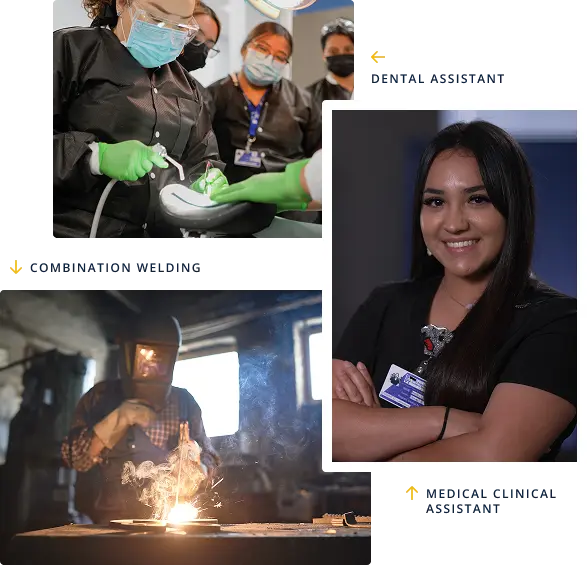
STVT programs are designed around lab time and practical experience in addition to classroom learning. Whether you’re practicing welds, running HVAC diagnostics, or learning patient care techniques, you’ll train with industry-standard equipment in a supervised setting.

Instructors with Industry Experience
STVT’s faculty bring real-world experience from the fields they teach. That means the guidance you receive comes from people who’ve done the work.

Student Support Services
Training for a new career can be challenging, especially if you’re balancing other responsibilities. STVT offers support services including tutoring, career guidance, and help preparing for the job search after graduation.
Graduate Career Services
After you complete your program, STVT’s career services team can help connect you with employment opportunities through their network of local employer partners. No school can guarantee a job, but having that support makes a difference.

Over 50 Years of Training Students
STVT has been helping students train for new careers since the 1970s. That history means established relationships with employers and a track record of structured, career-focused education.
Financial Aid & Getting Started
Most STVT students use some form of financial aid to help cover tuition. Here’s a quick overview of what may be available:
Federal Pell Grants

Details
Money for tuition with no repayment for students who demonstrate financial need.
Federal Student Loans
Details
Loans available for eligible students could include Direct Subsidized, Direct Unsubsidized, and Direct PLUS Loans.
Scholarships
Details
There are scholarship opportunities available across multiple areas of study with varying eligibility requirements. Additionally, STVT offers scholarship opportunities, check current availability.
VA Education Benefits
Details
Veterans and eligible military-connected students may use GI Bill® benefits. Learn more on STVT’s military page.
Workforce Innovation and Opportunity Act (WIOA)
Details
Workforce boards may offer funding for qualifying students, depending on the program of interest. Check with your local Workforce Board for more information.
GI Bill® is a registered trademark of the U.S. Department of Veterans Affairs. More information about education benefits is available at the official U.S. government website at va.gov.
First step: Fill out the FAFSA. It’s free, and it’s the gateway to most federal and institutional aid. You don’t need to wait until you’re accepted to apply.
For more details on tuition and financing options, visit STVT’s Financial Aid page or call (866) 827-4222 to speak with someone directly.
Frequently Asked Questions
STVT offers career training programs in three main areas: skilled trades (HVAC, welding, electrical, automotive, diesel, and CDL), healthcare (medical clinical assisting, dental assisting, and medical billing & coding), and business (business studies). Program availability varies by campus. Click here to view all campus locations.
STVT has six campuses across Texas: Arlington, Brownsville, Corpus Christi, McAllen, San Antonio, and Weslaco. Each campus offers a different mix of programs. Visit the campuses page to see what’s available near you.
Yes. STVT is accredited by the Accrediting Commission of Career Schools and Colleges (ACCSC) as a branch campus of Miller-Motte College Chattanooga. Accreditation means the school meets recognized educational standards and that students may be eligible for federal financial aid.
Financial aid is available for those who qualify. Options include Pell Grants, federal student loans, scholarships, and VA education benefits, if eligible. Start by filling out the FAFSA and then contact admissions to discuss your options.
Requirements vary by program. To learn about specific admissions requirements, visit the admissions page or call (866) 827-4222.
STVT’s career services department helps connect students with employment opportunities. While no school can guarantee a job, career services can be a valuable resource as you enter the workforce.
It means you’ll spend significant time in labs working with the same types of tools and equipment used in the industry. Programs are designed so you practice the skills employers look for.
Yes. You can schedule a campus visit to see the facilities, meet instructors, and ask questions in person.
Ready to Take the Next Step?
If you’ve found a program that interests you, or you want help figuring out the right fit, STVT’s admissions team is here to help.